
Key Takeaways
- Short-term lets can out-earn long-term rentals in the right coastal spots — but only after costs, vacancy and effort are honestly counted.
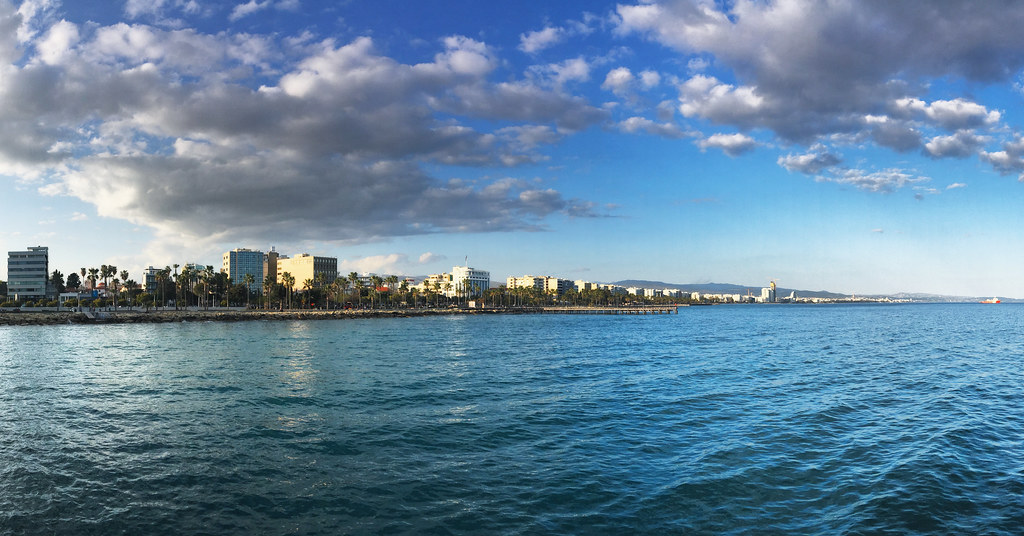
- Demand is seasonal and concentrated: Ayia Napa and Protaras, coastal Paphos, and Limassol carry the strongest visitor flow.
- Cyprus requires holiday and self-catering accommodation to be registered with the Deputy Ministry of Tourism — always verify the current rules before listing.
- Cleaning, platform fees, management, furnishing and maintenance eat into the headline nightly rate more than most owners expect.
- Whether it is worth it depends on your property, location and how hands-on you want to be — this is general guidance, not financial advice.
With millions of visitors arriving for the sun each year, it is no surprise that many Cyprus property owners look at their apartment or villa and wonder whether short-term holiday lets beat a steady long-term tenant. The honest answer is: it depends. A well-located, well-managed coastal property can earn handsomely in peak season — but holiday letting is a small business, not passive income, and the costs and rules are easy to underestimate. This guide walks through the key considerations so you can judge whether it stacks up for your situation.
The Key Considerations
1. Demand & seasonality
Cyprus tourism is heavily seasonal, peaking through the warm months and thinning out over winter. That means strong nightly rates and high occupancy in summer, but long quiet stretches the rest of the year. Build your numbers around realistic year-round occupancy, not a sold-out August, and decide how you will fill — or accept — the off-season.
2. Where short-term lets work best
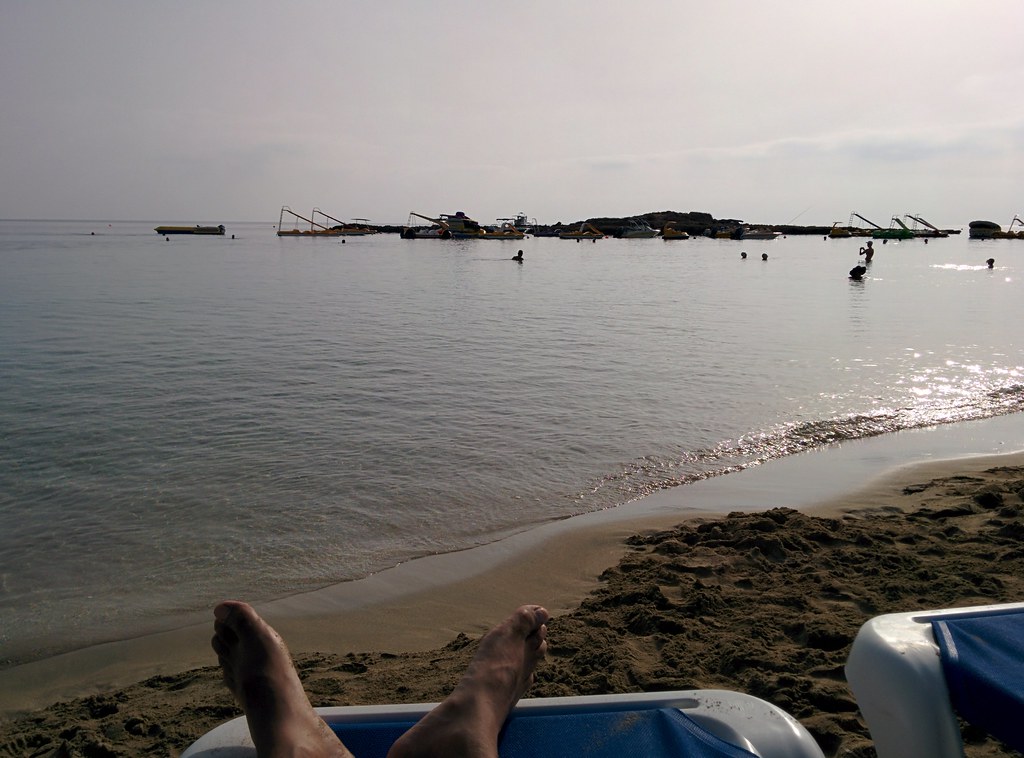
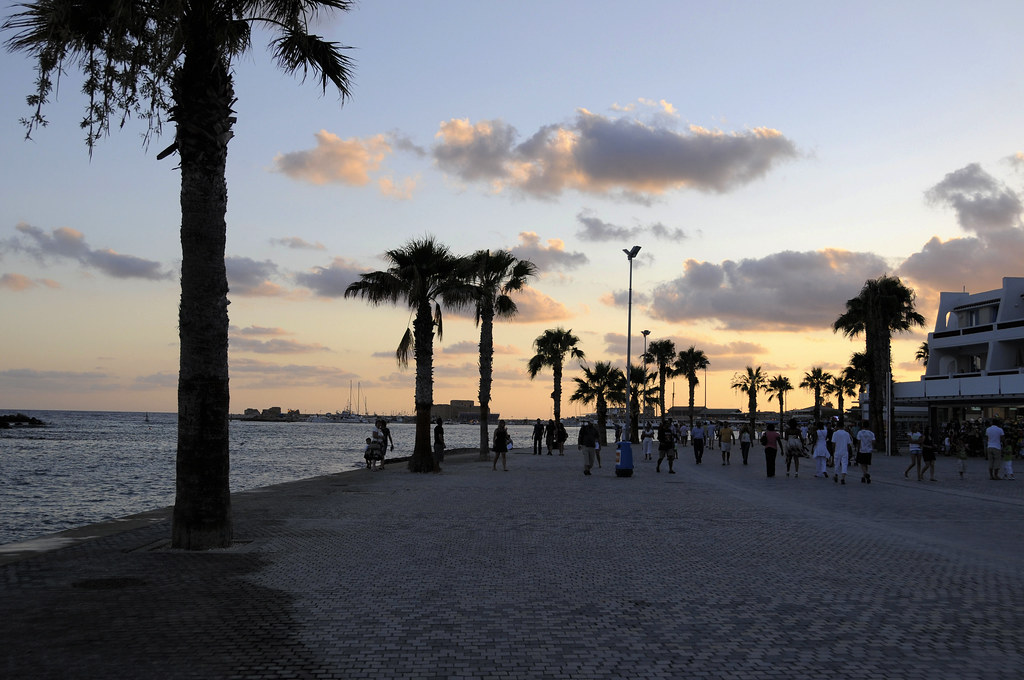
Location does most of the heavy lifting. Ayia Napa and Protaras draw a high-volume holiday crowd in season; coastal Paphos blends resort visitors with longer-staying guests and a milder shoulder season; and Limassol adds year-round business travel, conferences and relocations alongside its beachfront. Properties walkable to the sea, restaurants and a marina or strip consistently outperform inland ones.
3. Registration & the rules
Cyprus requires holiday and self-catering accommodation to be registered with the Deputy Ministry of Tourism before it is offered to guests, and there are obligations around standards, safety and declaring rental income. Requirements and procedures change, so treat this as a general pointer only and verify the current rules with the Deputy Ministry of Tourism and a local professional before you list.
4. Costs, fees & management
The nightly rate is not what you keep. Plan for platform commission, payment fees, cleaning and laundry between every stay, utilities, internet, consumables, insurance, repairs and the wear that turnover causes. If you cannot be hands-on, a management company will handle guests and cleaning for a share of revenue. Furnishing a place to a guest-ready standard is also a real upfront cost.

5. Short-term vs long-term yield
A long-term tenant pays less per night but offers stability, lower turnover costs and far less day-to-day work. Short-term letting can produce a higher gross in a good location and season, yet the gap narrows once cleaning, fees, vacancy and your own time are subtracted. Compare net to net — what actually lands in your account after everything — rather than peak nightly rate against monthly rent.
6. So, is it worth it?
If you own a comfortable, well-located coastal property and either enjoy hosting or can afford good management, short-term letting in Cyprus can absolutely be worth it — especially through the peak months. If your property is inland, far from the sea, or you want a genuinely passive return, a long-term tenant may serve you better. Run your own net numbers, confirm the rules, and treat this as general guidance rather than financial advice.
Frequently Asked Questions
Do I need to register a holiday let in Cyprus?
Yes — Cyprus requires holiday and self-catering accommodation to be registered with the Deputy Ministry of Tourism before it is rented to guests, alongside obligations on standards and declaring income. Rules and procedures change over time, so verify the current requirements with the Deputy Ministry of Tourism and a local professional before listing.
Where do short-term lets perform best in Cyprus?
The strongest performers tend to be properties close to the sea in high-demand areas: Ayia Napa and Protaras for peak summer holiday traffic, coastal Paphos for resort plus longer stays, and Limassol for its mix of beachfront and year-round business demand. Walkability to the beach, restaurants and nightlife matters more than size.
Is short-term letting more profitable than long-term renting?
It can be, in the right location and season, but not automatically. Short-term lets earn a higher gross per night yet carry far higher costs — cleaning, fees, vacancy and your time. Compare net income after all expenses against the steady monthly rent a long-term tenant would pay before deciding.
What costs should I budget for?
Plan for platform and payment fees, cleaning and laundry between stays, utilities and internet, consumables, insurance, maintenance and repairs, and either your own time or a management company’s commission. Furnishing the property to a guest-ready standard is a significant upfront cost too.
Can I manage a holiday let myself or do I need a company?
Either works. Self-managing saves the management fee but means handling bookings, guest communication, check-ins, cleaning coordination and problems at all hours. A local management company takes a share of revenue in exchange for running the day to day — often worthwhile if you live elsewhere or own multiple units.
Thinking about a Cyprus holiday let?
Browse apartments and villas across Cyprus to find a property in the coastal areas where short-term rental demand is strongest.
Comments