
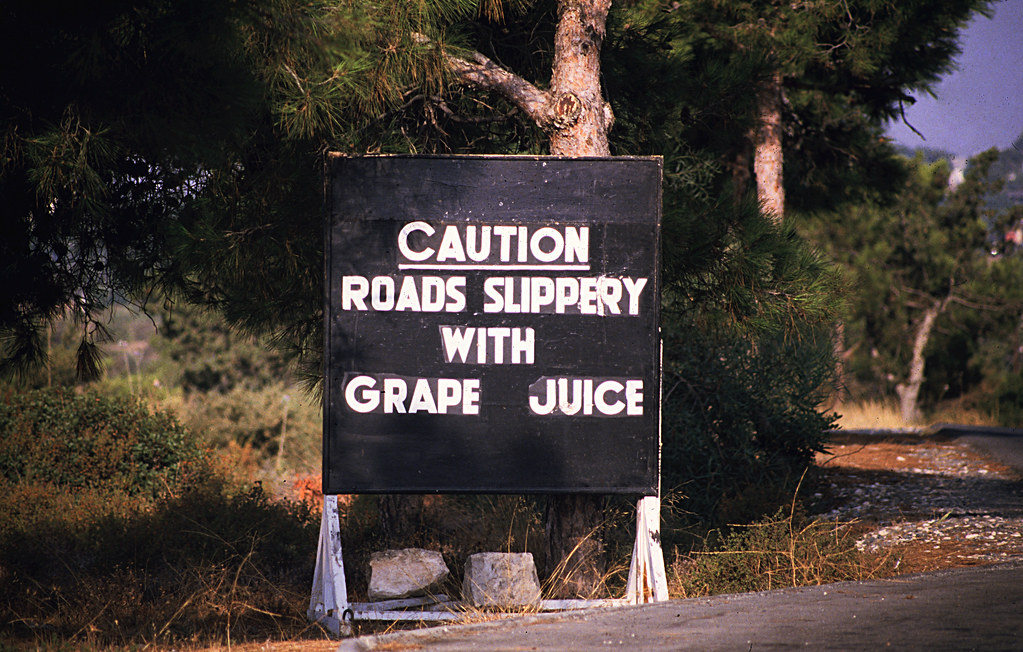
Vineyard rows on the slopes near Episkopi, Cyprus wine country

Key Takeaways

Cyprus makes wine the way it has for several thousand years: in small stone villages tucked into the folds of the Troodos mountains, from grapes most of the world has never tasted. You will not find sprawling commercial estates here so much as family cellars, cool church squares, and roads that climb through terraced vineyards into pine forest. A wine tour of Cyprus is really a tour of its mountain villages — and the food, scenery and welcome that come with them. This guide walks you through the main wine regions and routes, what grows where, and what to taste when you arrive.

The Main Wine Regions & Routes

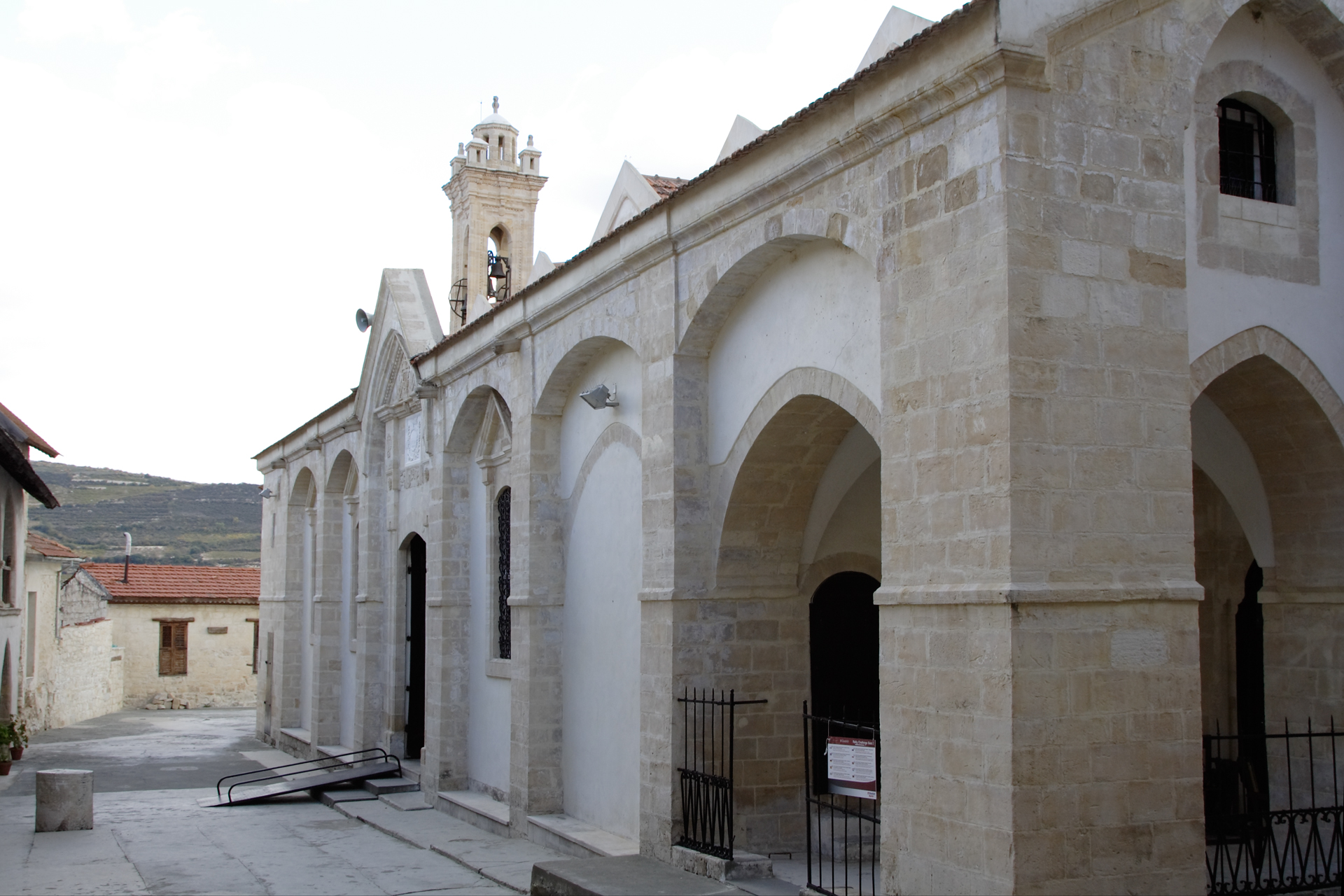
Cobbled square and Timios Stavros Monastery in Omodos village, Limassol wine country, Cyprus

1. The Krasochoria — Omodos & Vouni

📍 Limassol wine villages · The Krasochoria, literally the 'wine villages', are the classic introduction to Cyprus wine. Omodos centres on a cobbled square and the Timios Stavros Monastery, with cellars and meze tavernas spilling off it; nearby Vouni clings to a ridge with long valley views. This is Xynisteri and Maratheftiko country — taste a crisp dry white and a structured local red side by side, and try the village zivania and soutzoukos while you are there.
Traditional grape pressing at harvest time in a Cyprus wine village

2. The Commandaria Villages

📍 South Troodos foothills · Commandaria is the island's historic amber dessert wine, made from sun-dried Xynisteri and Mavro grapes in a cluster of villages such as Kalo Chorio, Zoopigi and Agios Konstantinos. The wine carries a protected appellation tied to these slopes. Tour the terraced vineyards above Limassol, see the drying racks at harvest, and taste a chilled glass of the sweet, raisined wine — it pairs beautifully with cheese, nuts and dried fruit.
Bunches of ripe wine grapes on the vine in Cyprus

3. Vouni Panayia & the Paphos Villages

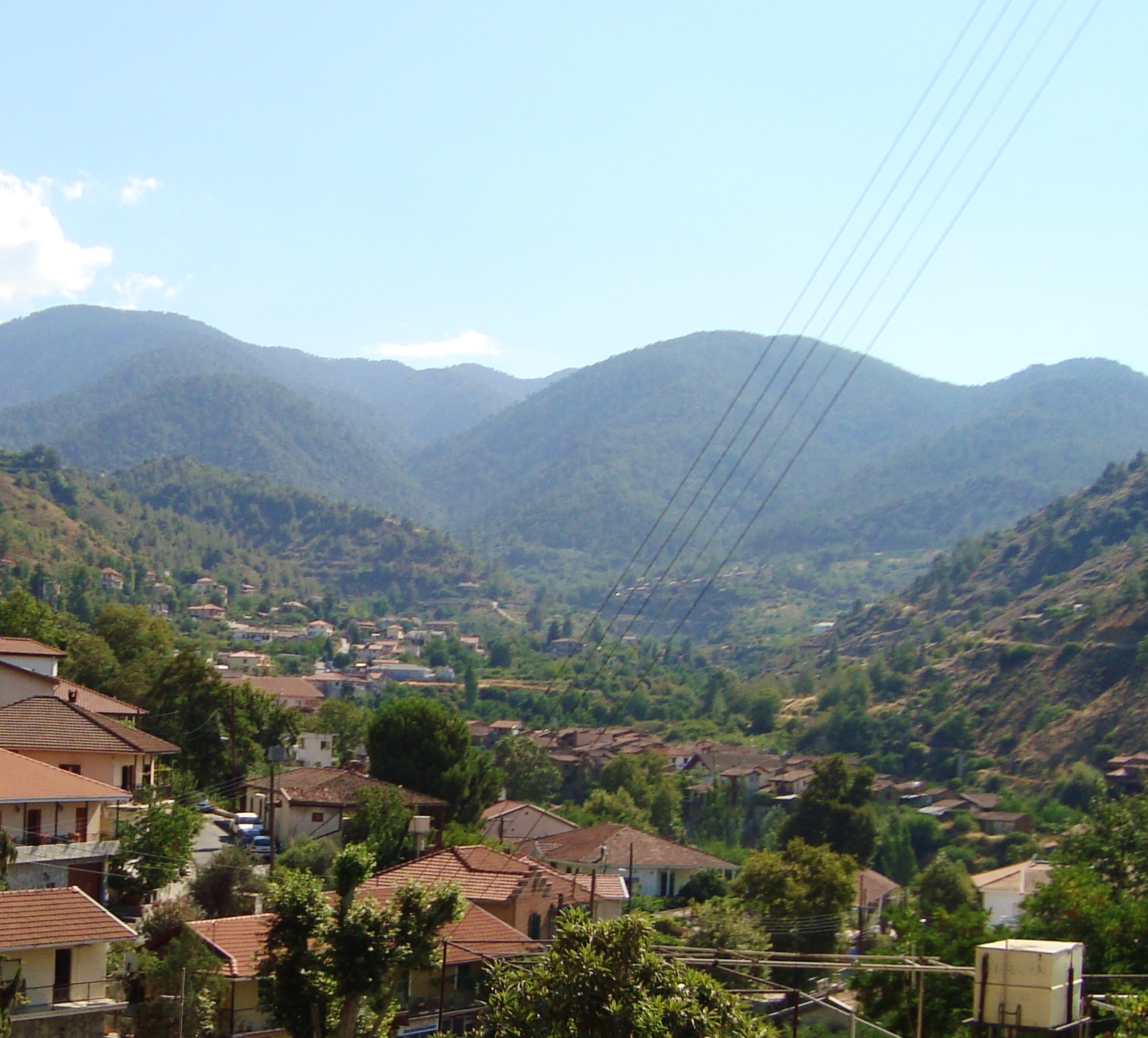
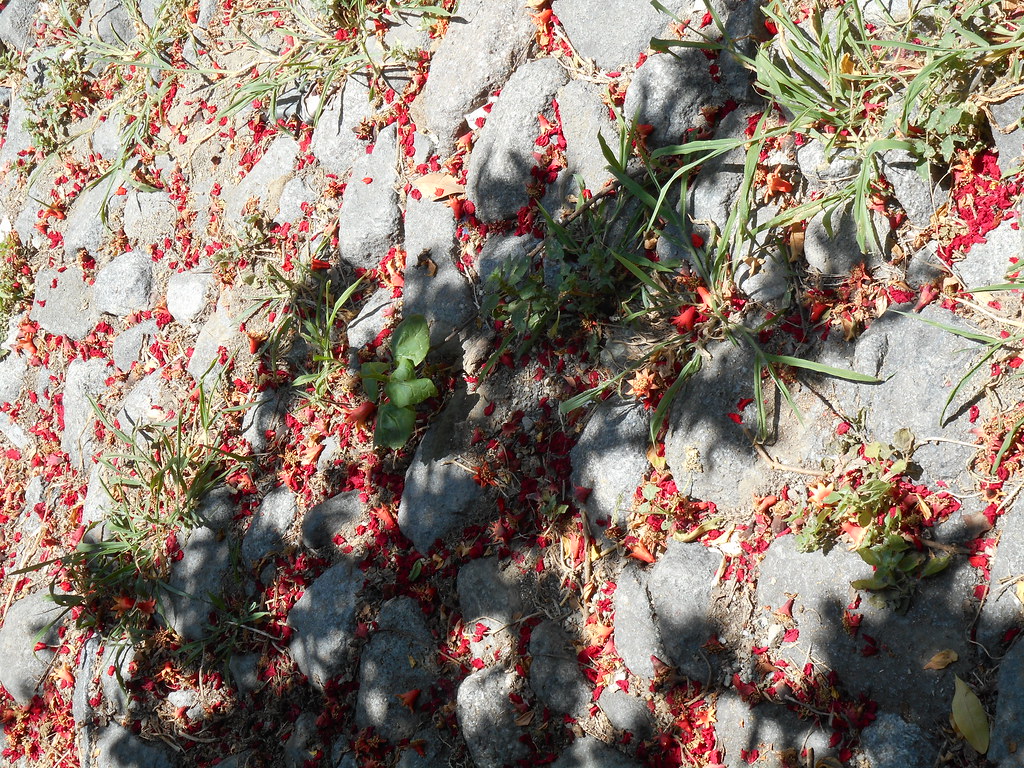
📍 Paphos hill country · On the western flank of Troodos, the high villages around Vouni Panayia, Statos-Agios Fotios and Kannaviou sit among some of the island's loftiest vineyards. The altitude and cool nights suit white wine, and this is one of the strongholds of pure Xynisteri. Expect winding roads through orchards and pine, panoramic views toward the coast, and bright, mineral whites poured in small family cellars far from the tourist crowds.
Local tip: Cyprus mountain roads are narrow and full of hairpin bends, and the villages are made for slow, long lunches with wine. Always nominate a designated driver or book a tour with transport — never drink and drive. The same person can still taste by spitting, the way the cellars expect.
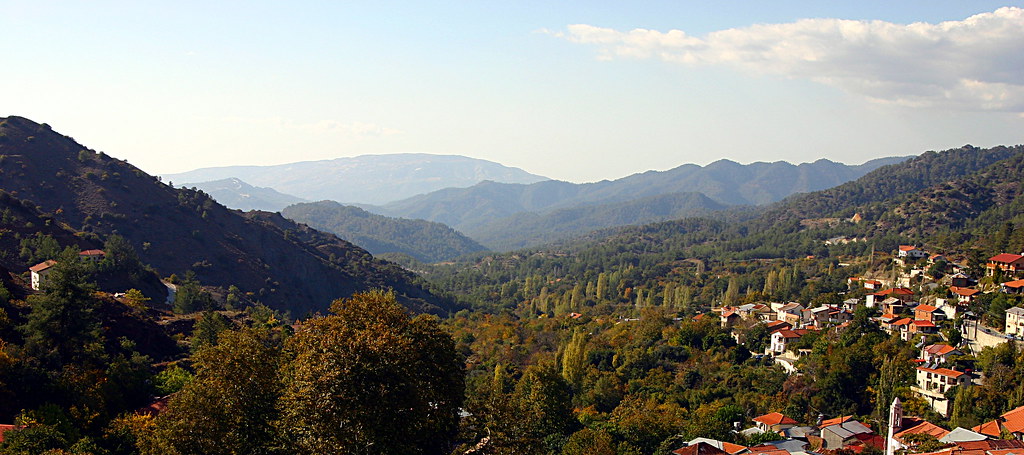
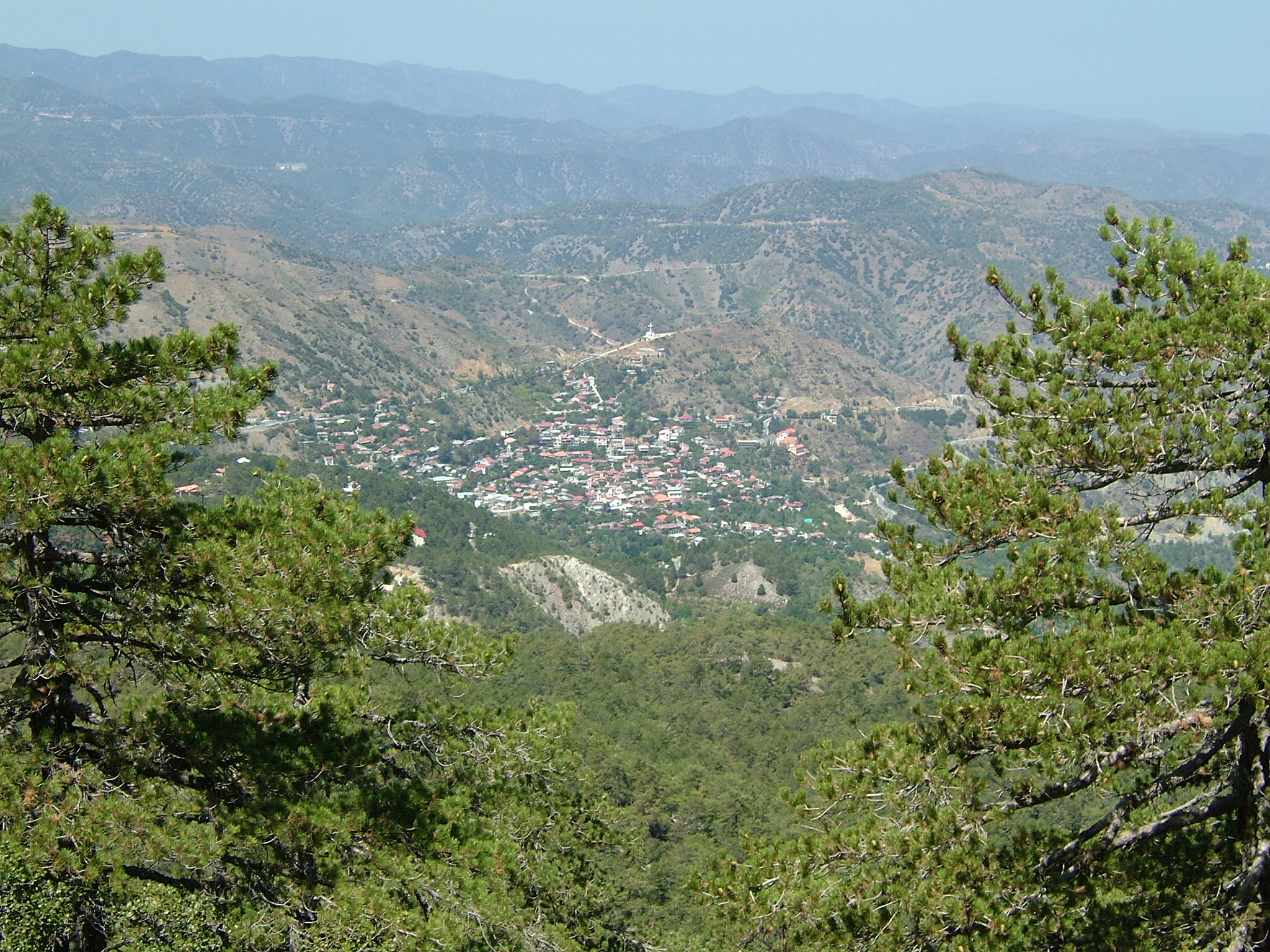
Mountain village scenery at Alona and Polystipos in the Pitsilia region of Cyprus

4. Pitsilia

📍 Central Troodos highlands · Pitsilia spreads across the high central mountains, taking in villages such as Agros, Pelendri, Kyperounta and Alona. These are among the coolest, highest-altitude vineyards on the island, and the region has built a reputation for fresh, elegant Xynisteri whites and increasingly serious reds. Combine a tasting with the area's other crafts — rose products from Agros, smoked meats and orchard fruit — for a fuller day in the hills.
A bottle of red wine with a filled glass and cork on a table

5. Limassol — Wine Festival & City Tastings

📍 Limassol coast · If you would rather stay by the sea, Limassol is the gateway to it all. The city's long-running Wine Festival each autumn fills the public gardens with producers, food and music, and the wine museum at nearby Erimi tells the story of the island's ancient viticulture. It is the natural base for day trips up into the Krasochoria and Commandaria villages, and a place to taste a broad cross-section of Cyprus wine in one spot.

Local tip: Many village cellars are family-run and may close in the afternoon or open by arrangement, especially outside summer. Call ahead, go gently on the roads, and remember the rule that makes any wine route safe and enjoyable — if you are tasting, you are not driving.

Frequently Asked Questions

The principal wine areas all sit on the slopes of the Troodos mountains: the Krasochoria (the Limassol wine villages such as Omodos and Vouni), the Commandaria villages on the south foothills, Pitsilia in the high central mountains, and the Paphos hill villages around Vouni Panayia. Limassol on the coast is the usual base and host of the annual Wine Festival.

The two flagship native grapes are Xynisteri, a fresh white, and Maratheftiko, a deeply coloured red. You will also meet Mavro, the most widely planted dark grape. Commandaria, the historic sweet wine, is made mainly from sun-dried Xynisteri and Mavro grapes grown in its designated villages.

Commandaria is an amber-coloured sweet wine made from grapes left to dry in the sun before pressing, which concentrates their sugars. It comes from a defined group of villages on the southern slopes of Troodos and is one of the oldest named wines in the world. Serve it chilled, on its own or with cheese, nuts and dried fruit.

The villages are spread across the mountains, so some transport helps. The safest option is a guided tour with a driver, or a designated driver in your own group. The roads are scenic but narrow and winding, so never drive after tasting — spit or stick to small sips if you are behind the wheel.

Late spring and autumn are ideal, with mild mountain weather and green or golden vineyards. The grape harvest and the Limassol Wine Festival fall in late summer and early autumn, which is the liveliest time to visit. Many village cellars are quieter and may need a call ahead in winter.

Plan Your Cyprus Wine Trip

From mountain cellars to coastal tastings, find tours, tavernas, accommodation and local services across Cyprus in our directory — and build the wine route that suits you.

Comments

Leave a Reply

Your email address will not be published. Required fields are marked *

Sign In

Register

Reset Password

Please enter your username or email address, you will receive a link to create a new password via email.