
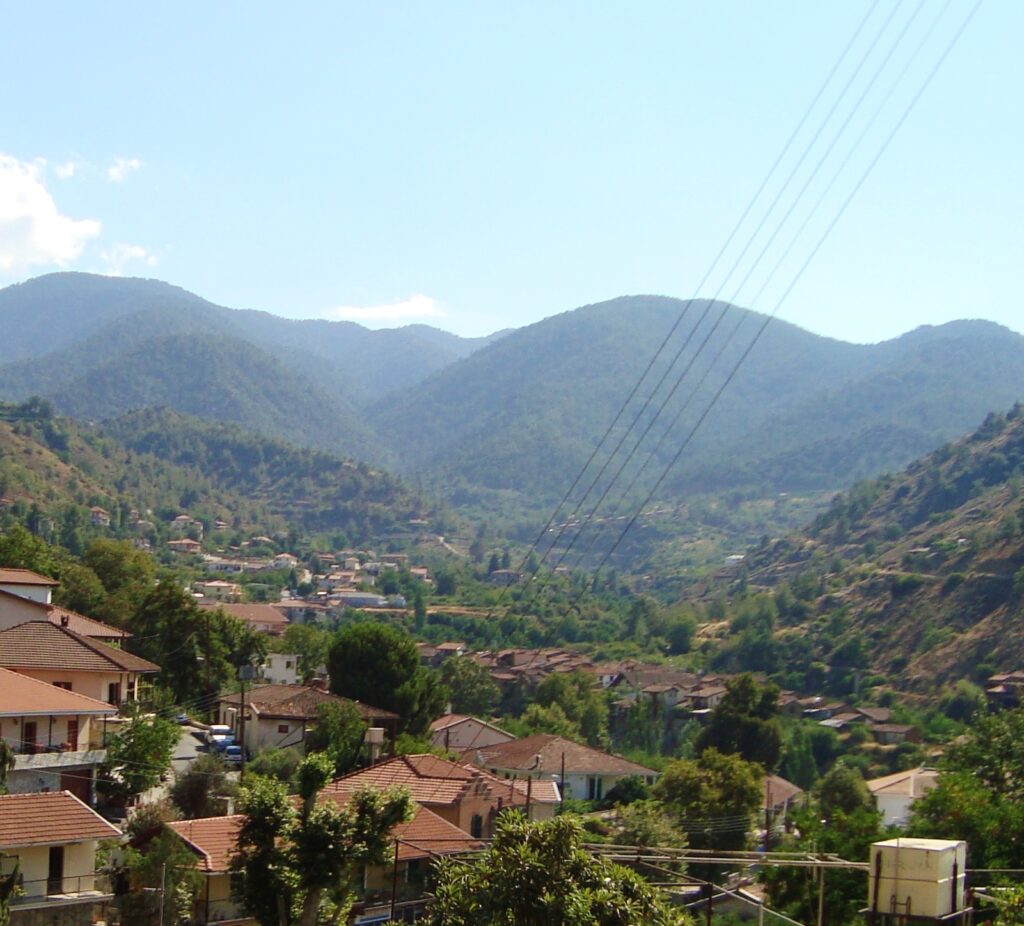
View of Kakopetria village with the Troodos Mountains behind it, Cyprus

Key Takeaways

Most visitors meet Cyprus at the coast — the beach clubs of Ayia Napa, the marina at Limassol, the harbour at Paphos. But drive twenty minutes inland and the island changes character completely. The hills fold into stone villages where the church bell still sets the rhythm of the day, where a kafeneio chair has someone’s name on it by habit, and where lunch is whatever the cook felt like making. These are not museum pieces; people live and work in them. This guide rounds up some of the most rewarding villages to visit — real places, easy to reach, and far more memorable than another afternoon on a sunbed.

Seven Villages Worth the Detour

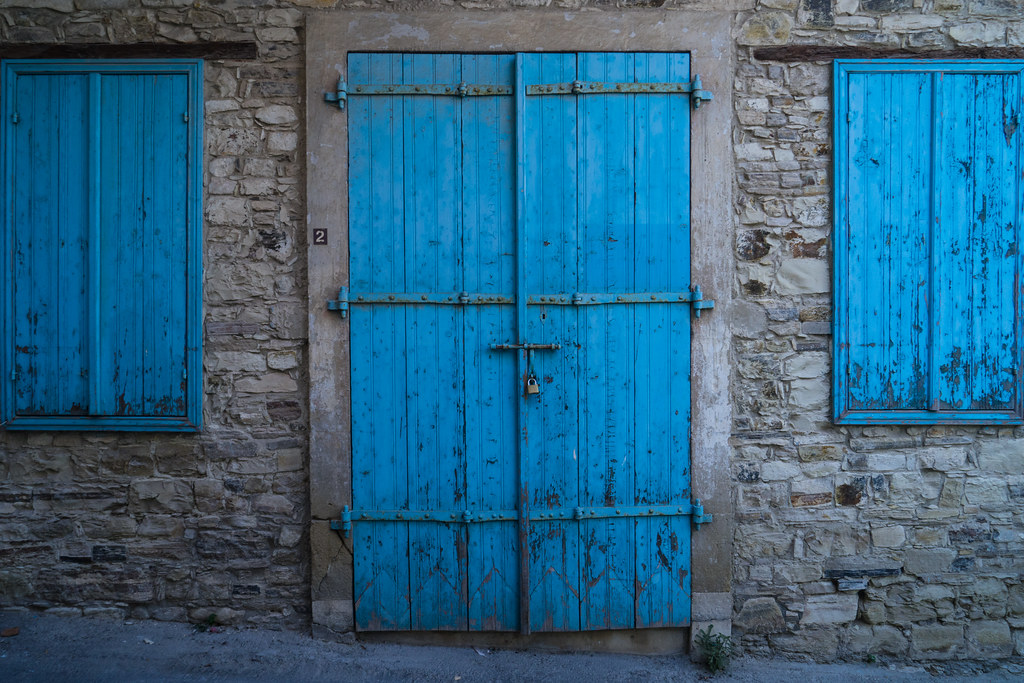
Traditional carved wooden doorway in Pano Lefkara, Cyprus

1. Pano Lefkara

📍 Larnaca District · Famous for its intricate Lefkara lace (lefkaritika) and fine silverwork, this hillside village is a maze of narrow lanes and blue-shuttered stone houses. Wander past the workshops, watch the older women stitching in doorways, and stop for a coffee in the main square. Nearby Kato Drys is a quiet companion village worth a short loop.
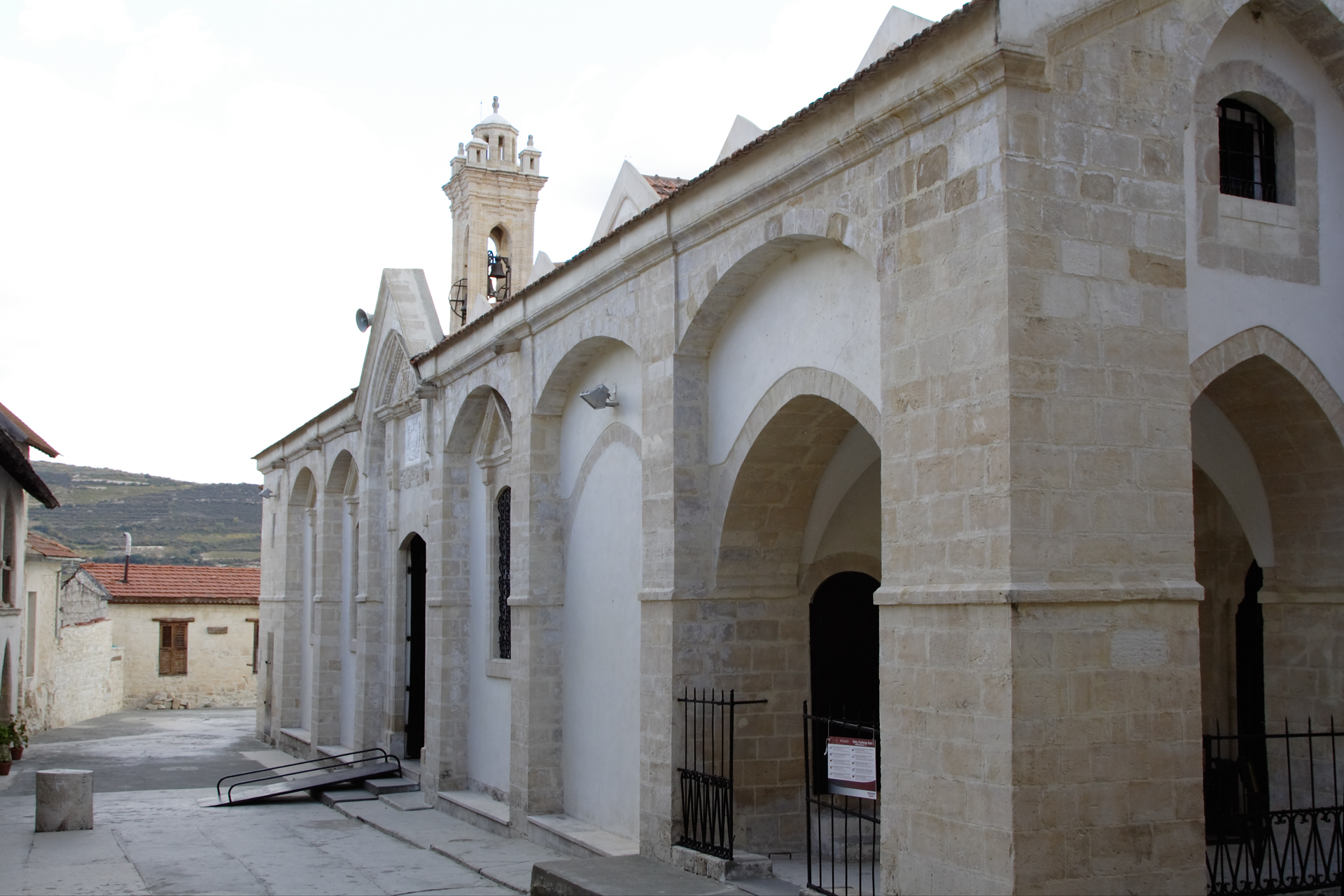
Timios Stavros Monastery in the cobbled square of Omodos village, Cyprus

2. Omodos

📍 Limassol District · One of the prettiest wine villages on the island, built around the cobbled square of the Timios Stavros Monastery. Omodos is the heart of the Krasochoria (wine villages) — small family wineries, zivania distillers and bakeries selling arkatena rusks line the lanes. Come for a tasting and stay for a long lunch under the vines.
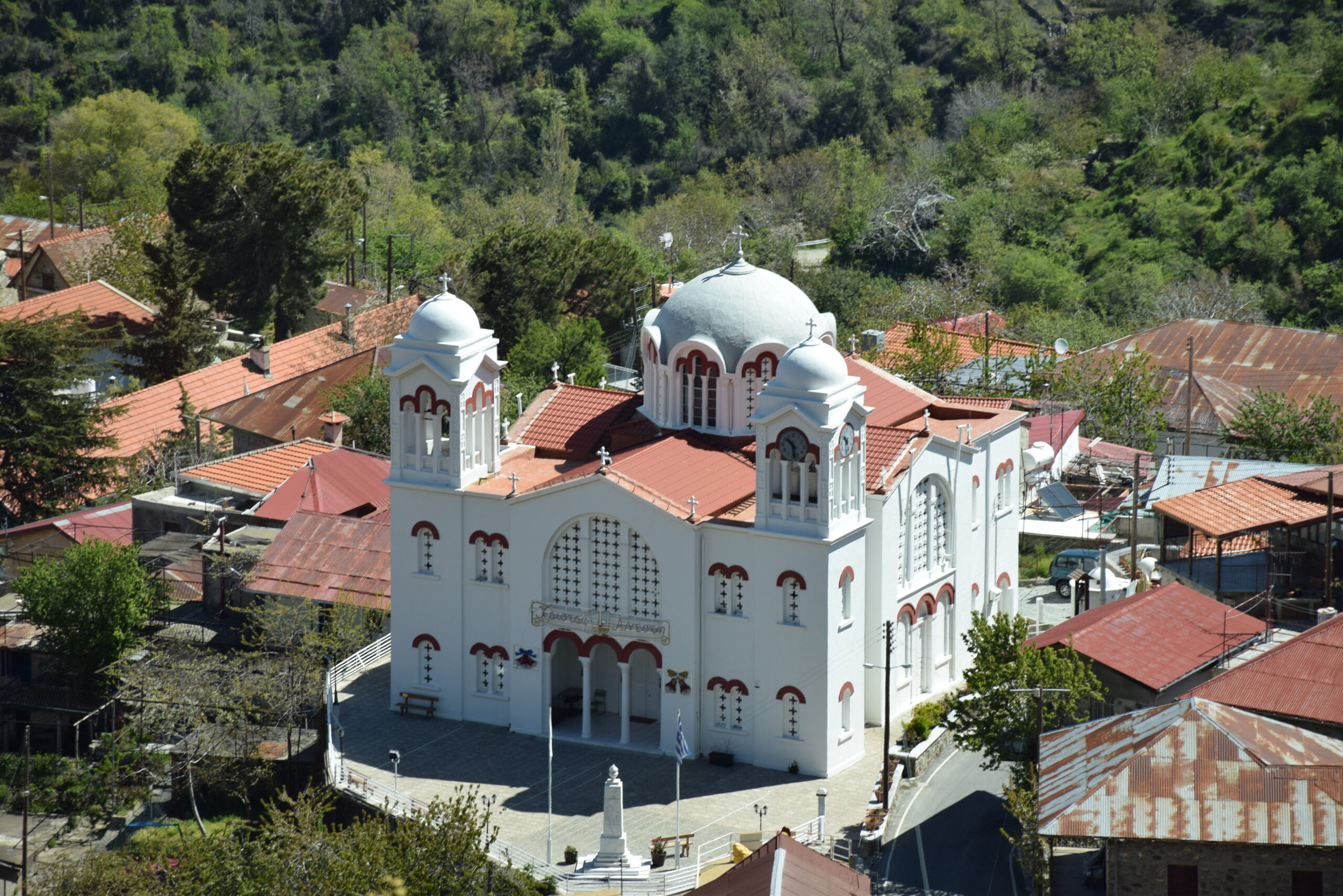
Old stone houses along a lane in Kakopetria village, Cyprus

3. Kakopetria

📍 Nicosia District (Troodos) · The old quarter of Kakopetria, with its restored stone houses tumbling down to a rushing stream, is a preserved heritage area you can walk end to end in ten minutes. The cooler mountain air makes it a summer escape, and the painted church of Agios Nikolaos tis Stegis nearby is a UNESCO World Heritage site well worth the short drive.
Local tip: Many of the Troodos churches keep irregular hours and the painted interiors are sometimes locked. If a church looks shut, ask at the nearest kafeneio — the key-holder usually lives a few doors away and is happy to open up.
Houses of Pedoulas village spread across a green Marathasa Valley slope, Cyprus

4. Pedoulas

📍 Nicosia District (Marathasa Valley) · One of the highest villages in Cyprus, Pedoulas sits among cherry orchards that blossom white in spring. The tiny frescoed Church of Archangelos Michael is another UNESCO-listed gem. It is cool, green and unhurried — a good base if you want to walk the Marathasa Valley or drive on to Mount Olympus.
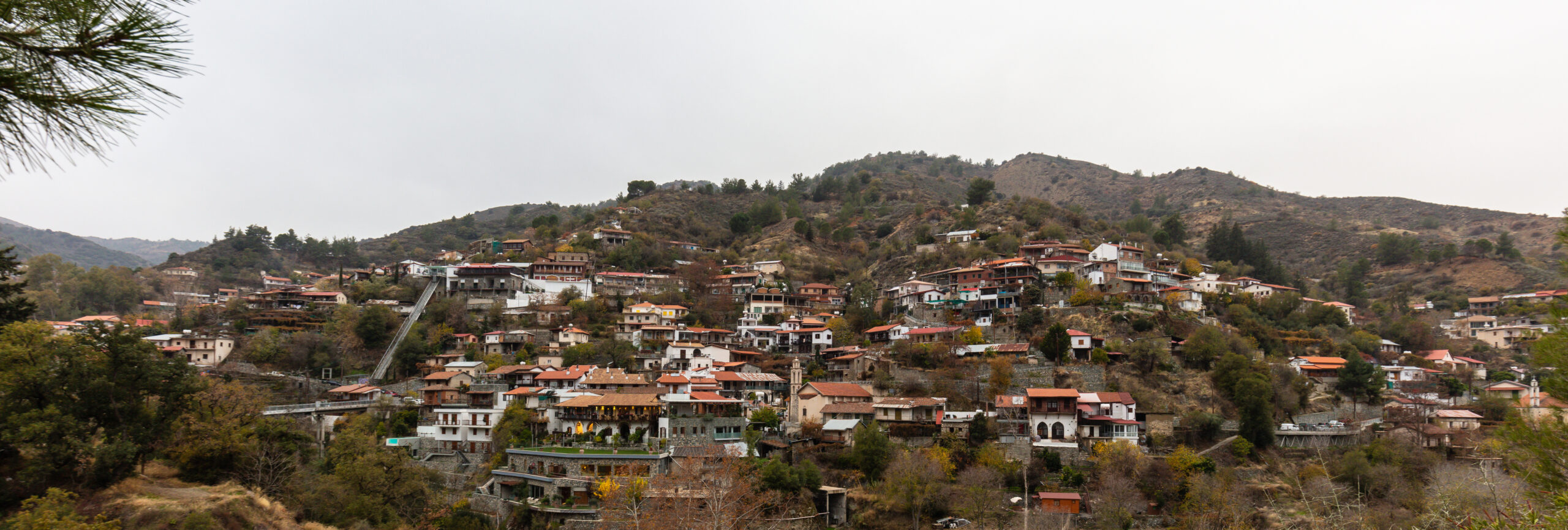
View over Kalopanagiotis village and its valley in the Troodos Mountains, Cyprus

5. Kalopanagiotis

📍 Nicosia District (Marathasa Valley) · Wrapped around a river valley, Kalopanagiotis has quietly become one of the island's most charming weekend villages. Its sulphur springs, the UNESCO-listed Monastery of Agios Ioannis Lampadistis and a clutch of restored guesthouses and small restaurants make it feel boutique without losing its village soul.
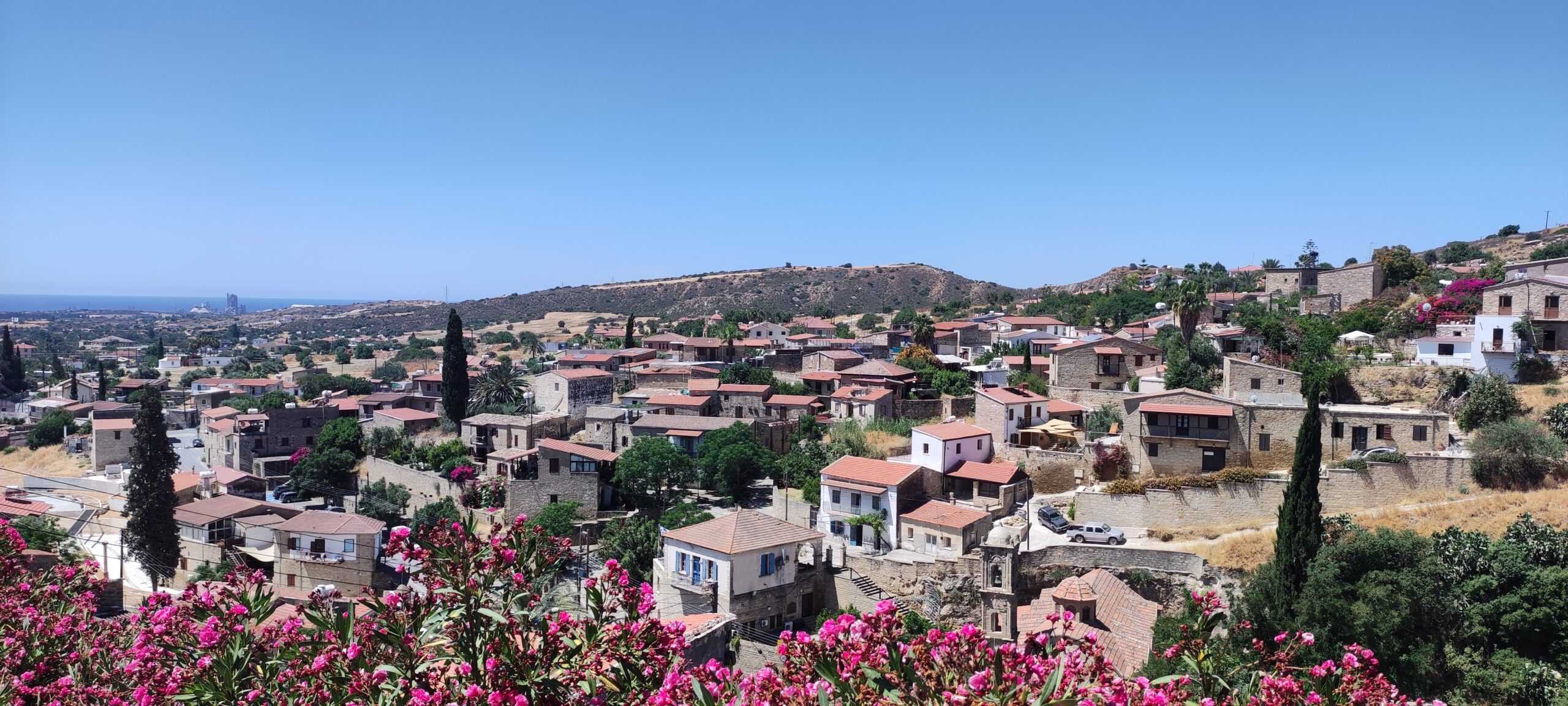
Panoramic view of Tochni village in a valley between Larnaca and Limassol, Cyprus

6. Tochni

📍 Larnaca District · Set in a green valley roughly halfway between Larnaca and Limassol, Tochni is a postcard of a traditional village — stone houses, a church on a bridge over the ravine, and quiet lanes. It is a favourite for agrotourism stays and an easy stop on the way inland, with neighbouring Kalavasos a five-minute drive away.
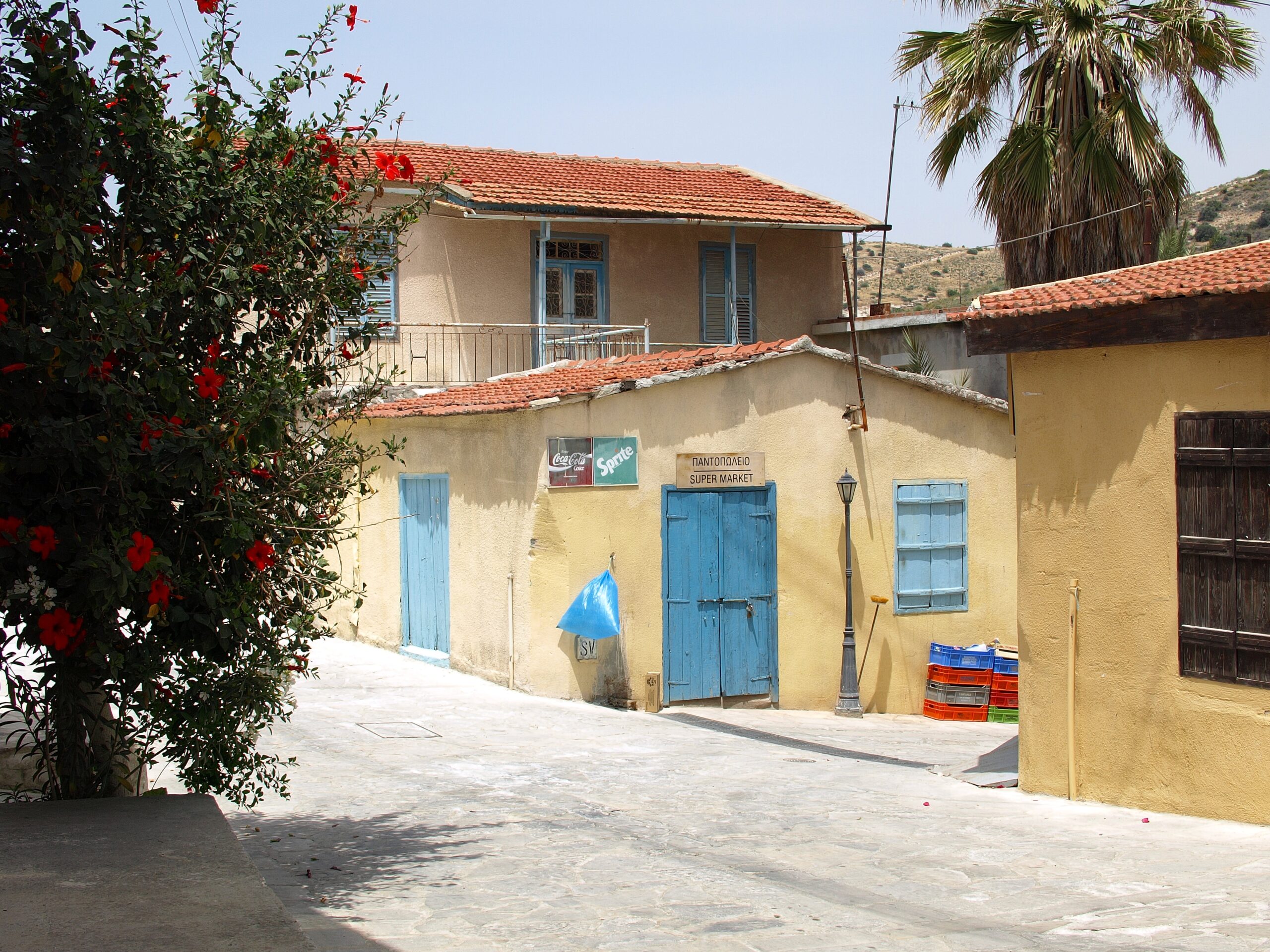
Whitewashed houses and a church in Kalavasos village, Cyprus

7. Kalavasos

📍 Larnaca District · A relaxed valley village built along a riverbed, Kalavasos pairs naturally with Tochni for a half-day inland. Old mining heritage, a handful of welcoming tavernas and a slow pace make it a calm antidote to the coast. Birdwatchers head to the nearby reservoir, and the Neolithic site at Tenta is a short hop away.

Local tip: Village tavernas often serve a meze rather than a menu — let the kitchen bring a parade of small dishes and pace yourself. And carry some cash; the smaller kafeneia and roadside stalls do not always take cards.

Frequently Asked Questions

A hire car is by far the easiest way to explore. Public buses do reach some larger villages, but services are limited and the joy of the hills is linking two or three places in a day. Roads are good and signposted, though mountain lanes can be narrow and winding, so allow extra driving time.
Spring (April to early June) and autumn (September to October) are ideal — comfortable temperatures, green hills and orchard blossom or harvest. Mountain villages such as Pedoulas and Kakopetria stay pleasantly cool in high summer when the coast is very hot, and some even see snow in winter.
Lefkara, Tochni and Kalavasos sit in the Larnaca District, handy from Larnaca or Limassol. Omodos is in the hills above Limassol. Kakopetria, Pedoulas and Kalopanagiotis are in the Troodos range, reachable from Nicosia, Limassol or Paphos in roughly an hour to ninety minutes.
Lefkara is known for handmade lace and silver. Omodos and the surrounding Krasochoria are the place for local wine and zivania. Across the villages, look out for fresh halloumi, village bread, loukoumia (Cyprus delight), spoon sweets and honey — often sold direct by the families who make them.
Yes. They are safe, walkable and relaxed, with plenty of squares for children to run around and tavernas used to feeding families. Pair a village wander with a nearby attraction — a frescoed church, a watermill, a short nature trail or a reservoir — to keep everyone happy.

Plan Your Cyprus Village Escape

From guesthouses and tavernas to car hire and local guides, find the businesses that make a Cyprus village trip easy — all in one place on Directory Cyprus.

Comments

Leave a Reply

Your email address will not be published. Required fields are marked *

Sign In

Register

Reset Password

Please enter your username or email address, you will receive a link to create a new password via email.