Key Takeaways
- Cyprus runs a national health system called GeSY, funded by contributions, that gives eligible residents access to GPs, specialists, hospitals and pharmacies.
- Many foreigners also keep private health insurance for faster appointments, private hospitals and English-speaking care.
- Your first practical step is usually registering with a personal doctor (GP), who becomes your gateway to the rest of the system.
- Pharmacies are widespread, and the single emergency number across Cyprus is 112.
- Eligibility, contributions and costs change over time, so always verify current details with GeSY or your provider.
Working out how healthcare works in a new country is one of those tasks that feels intimidating until you have the lay of the land. Cyprus is, in practice, fairly welcoming: it has a national health system that covers most residents, a strong private sector for those who want extra speed or comfort, and a dense network of pharmacies where staff are used to helping newcomers. This guide walks through the seven things foreigners most often want to understand — how the national system works, when private insurance makes sense, how to register with a doctor, how pharmacies and prescriptions function, what to do in an emergency, the difference between public and private hospitals, and roughly what to budget. It is general information to help you orient yourself, not medical or insurance advice; eligibility and costs differ by situation and change over time, so confirm the specifics with GeSY or your own provider before you rely on them.
Seven Things to Know About Healthcare in Cyprus
1. GeSY — the national health system
GeSY (the General Healthcare System, sometimes written GHS) is Cyprus's national health scheme. It is contributions-based: employees, employers, pensioners, the self-employed and the state all pay in, and in return registered beneficiaries can use GPs, specialists, hospitals, labs and pharmacies within the system. Most people who live and work legally in Cyprus and pay contributions are eligible, but the exact rules depend on your residence and employment status — check your situation directly with GeSY.
2. Private healthcare & insurance
Alongside GeSY, Cyprus has a well-developed private healthcare sector, and many foreigners keep private insurance on top of the national system. Private cover typically buys shorter waits, a wider choice of clinics and specialists, and access to private hospitals where English is widely spoken. Whether you need it depends on your priorities and budget — some residents rely on GeSY alone, others treat private insurance as peace of mind. Compare policies carefully, since coverage limits and exclusions vary between insurers.
3. Registering with a personal doctor (GP)
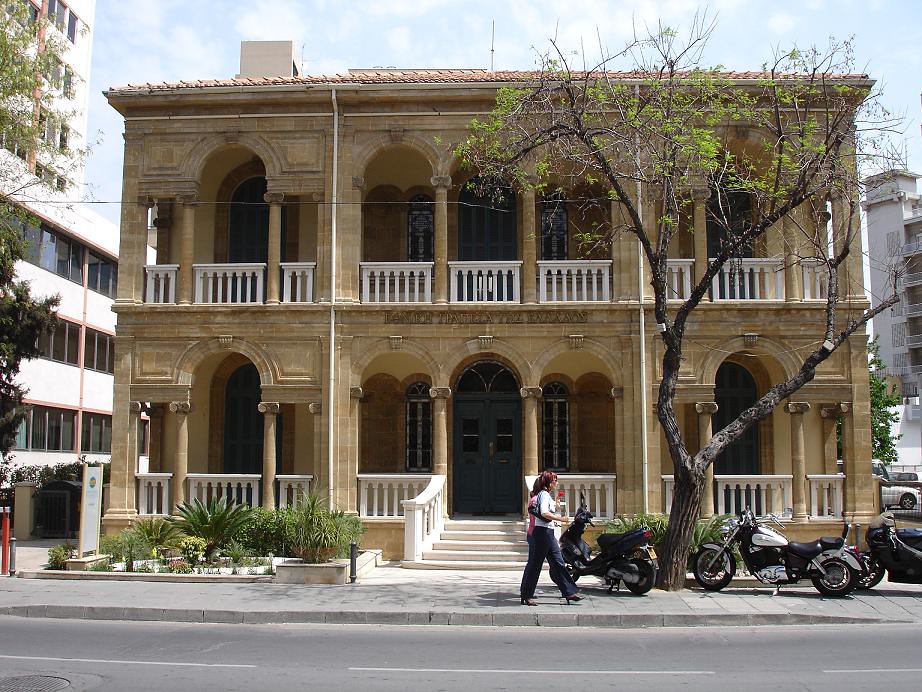
Under GeSY, your personal doctor is your main point of contact and your gateway to specialists, tests and prescriptions. Once you are registered as a beneficiary you choose a GP (within their available capacity) and can usually switch later if you move or want a different fit. It is worth registering early rather than waiting until you are unwell, and many foreigners look specifically for a doctor who speaks their language. Bring your identification and GeSY registration details when you sign up.
4. Pharmacies & prescriptions
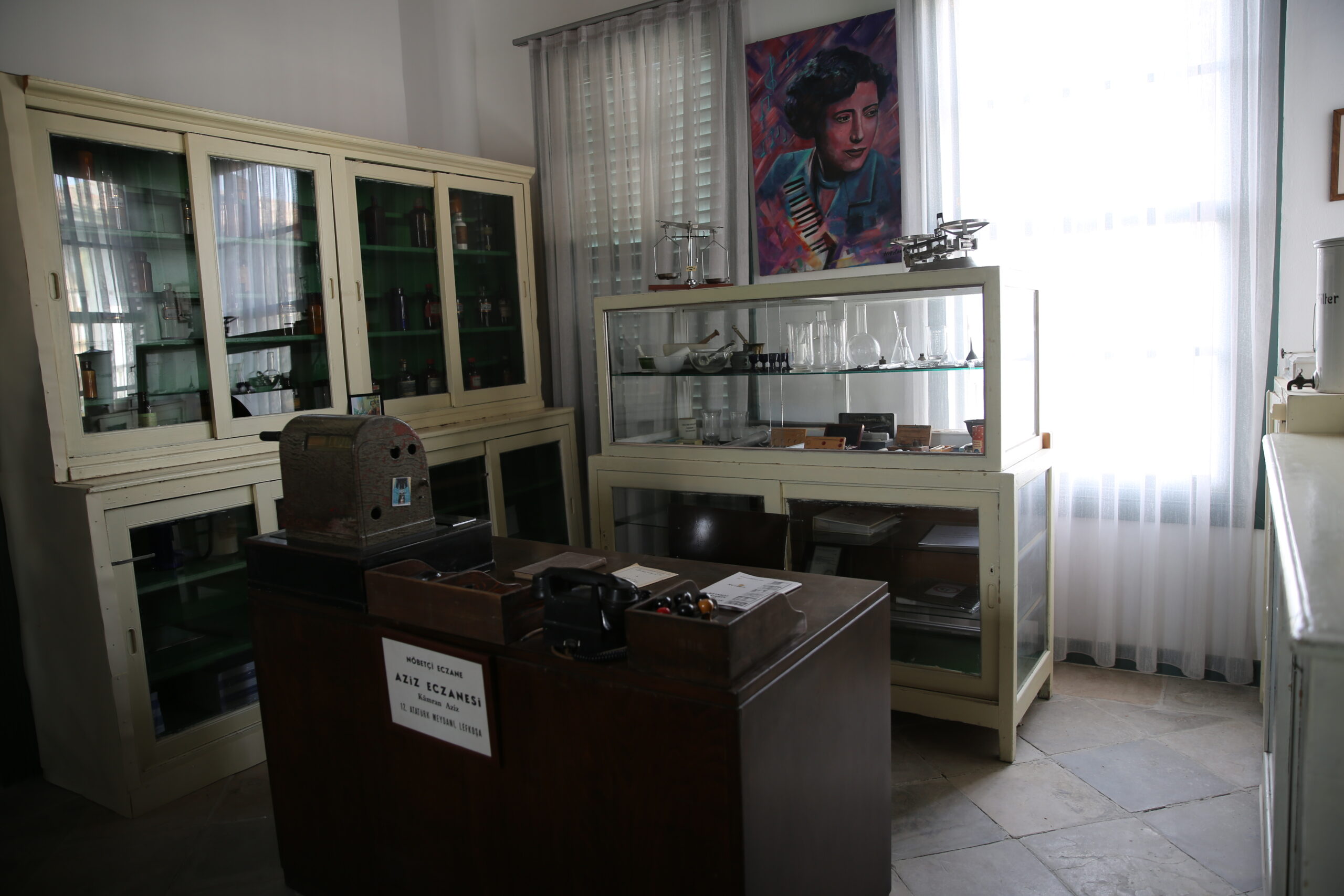
Pharmacies are easy to spot by their green cross and are found on most high streets and in shopping areas. Pharmacists are well trained and can advise on minor ailments and over-the-counter remedies, which saves a doctor's visit for small problems. Prescription medicines issued through GeSY are dispensed at participating pharmacies, often at a modest co-payment. Towns operate a rota so at least one pharmacy stays open late or on holidays — the duty list is posted in pharmacy windows and in local press.
5. Emergencies (call 112)
In a genuine emergency — serious injury, chest pain, difficulty breathing, an accident — the number to call in Cyprus is 112. It is free, works from any phone, and connects you to ambulance, fire and police services; operators generally handle English. For urgent but non-life-threatening problems, public hospitals have accident and emergency departments, and many private hospitals offer emergency care too. Save 112 in your phone and make sure family members, including children, know it.
6. Public vs private hospitals
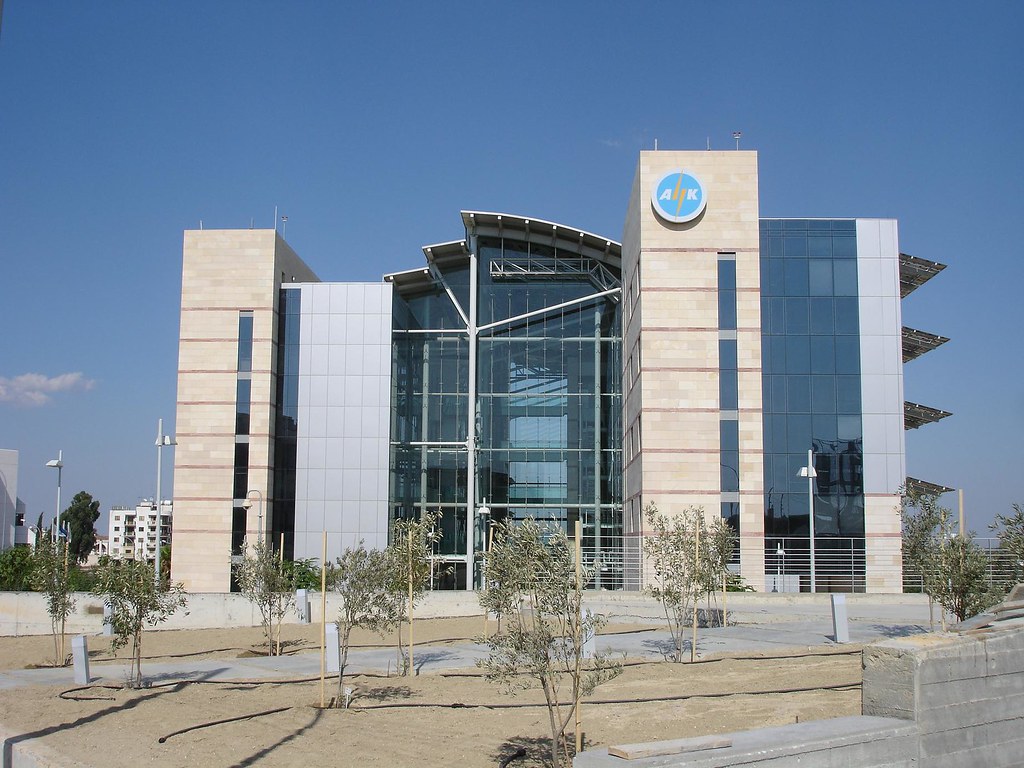
Public hospitals are part of GeSY and handle the full range of care, including specialist and emergency treatment; they can be busy, so non-urgent waits are sometimes longer. Private hospitals and clinics tend to offer quicker appointments, more comfortable facilities and a strong English-speaking presence, which many expatriates find reassuring. Plenty of residents use both — the public system for major or emergency care and private clinics for convenience. Your GeSY status and any private insurance will shape which route is cheaper for a given visit.
7. Costs & what to budget
Under GeSY, much of your care is funded through contributions, with modest co-payments for things like specialist visits and prescriptions; out-of-pocket costs for everyday care are generally moderate. Private appointments, dental work, optical care and elective procedures are usually paid directly or through private insurance, so budgets vary widely by lifestyle and health needs. As a newcomer, it is sensible to set aside a contingency for the first months while you register and settle in. Treat any figures you read as ballpark and confirm current co-payments and premiums with GeSY or your insurer.
Frequently Asked Questions
Can foreigners use GeSY in Cyprus?
Many foreigners who live and work legally in Cyprus and pay the required contributions can register as GeSY beneficiaries and use the national health system. Eligibility depends on your residence and employment status, and the rules can change, so confirm your specific situation directly with GeSY rather than relying on a general summary.
Do I still need private health insurance?
It is optional and depends on your priorities. Some residents rely on GeSY alone; others keep private insurance for faster appointments, private hospitals and English-speaking care. If you are not yet eligible for GeSY when you arrive, short-term private or travel cover can bridge the gap. Compare policies, since limits and exclusions differ between insurers.
What is the emergency number in Cyprus?
The emergency number across Cyprus is 112. It is free, works from any phone, and connects you to ambulance, fire and police services, with operators who generally handle English. For urgent but non-life-threatening issues you can also go to a hospital accident and emergency department.
How do I register with a doctor?
Once you are registered as a GeSY beneficiary you choose a personal doctor (GP) who acts as your main point of contact and gateway to specialists and prescriptions. Register early rather than waiting until you are unwell, bring your identification and GeSY details, and ask about a doctor who speaks your language if that matters to you. You can usually change GP later.
How much does healthcare cost in Cyprus?
Under GeSY, care is largely funded through contributions, with modest co-payments for specialist visits and prescriptions, so everyday costs are generally moderate. Private appointments, dental, optical and elective care are usually paid directly or via insurance and vary widely. Treat any figures as ballpark and verify current co-payments and premiums with GeSY or your provider.
Settling Into Life in Cyprus?
From doctors and pharmacies to insurers and everyday services, find trusted local businesses across the island in our directory. Browse the listings to get set up faster in your new home.
Comments