
Key Takeaways
- A single person living modestly can expect to spend roughly €1,300–€2,000 a month, while a couple or small family often lands somewhere around €2,500–€3,800 — figures that swing a lot by city and lifestyle.
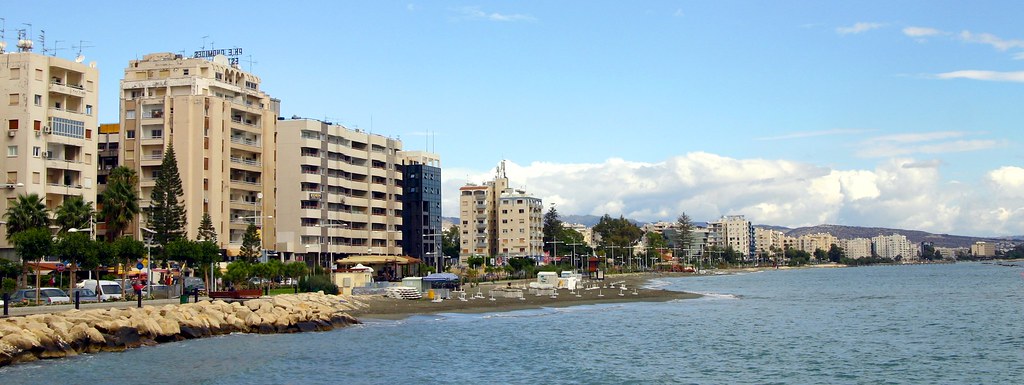
- Limassol is consistently the priciest place to live; Nicosia, Larnaca, Paphos and inland towns tend to be noticeably gentler on the wallet.
- Rent is almost always the biggest line item, and it has climbed sharply in recent years, especially near the coast.
- Summer electricity bills (air conditioning) and winter heating can both deliver nasty surprises if you are not prepared.
- Eating out, fresh produce and a strong café culture mean small daily pleasures stay affordable compared with much of Western Europe.
Cyprus has a reputation as a sunny, relatively affordable corner of the Mediterranean — and broadly that still holds in 2026. But ‘affordable’ means very different things depending on whether you are renting a sea-view flat in Limassol or a village house in the Troodos foothills. This guide walks through the main spending categories one by one, with honest, rough ranges so you can build a realistic monthly budget. Treat every figure here as an illustrative estimate: real costs vary by city, neighbourhood, season, household size and personal habits, and prices move over time. Think of these as starting points for your own research, not precise quotes.
Where Your Money Goes: The Categories
1. Housing & Rent
Rent is the single biggest factor in any Cyprus budget, and it has risen fast near the coast. A modest one-bedroom flat might run from roughly €600–€900 a month inland or in quieter towns, climbing well past €1,200–€1,800 for something central in Limassol. Buying is another world entirely, with prices that vary enormously by location and view.
2. Groceries
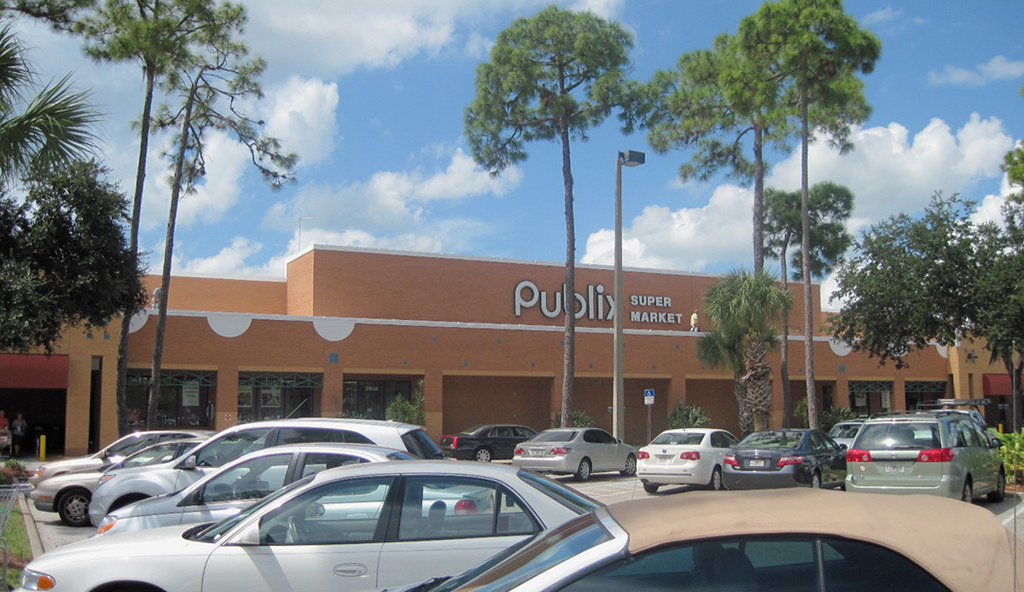
Weekly food shopping for one person often falls somewhere around €200–€350 a month, more for a family. Local seasonal produce, halloumi, olives and bread are genuinely good value, while imported brands, breakfast cereals and anything specialised tend to cost more. Shopping at local markets and discount supermarkets can shave a fair bit off the bill.

3. Eating Out & Coffee
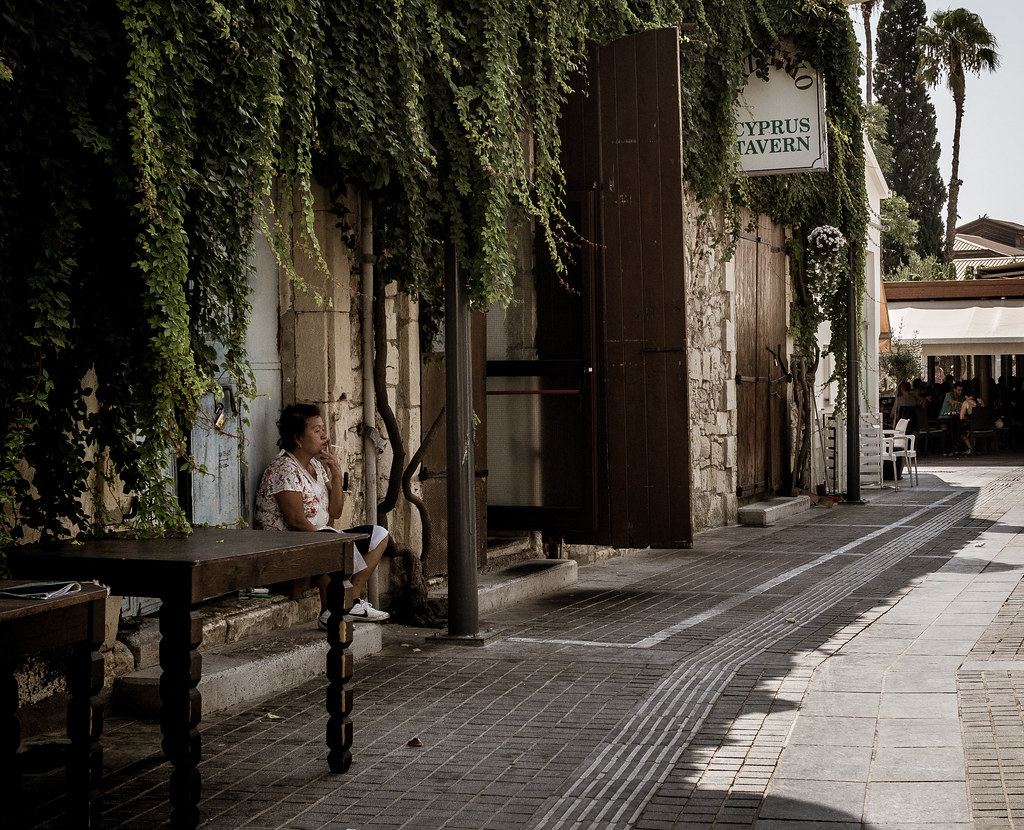
This is where Cyprus shines. A frappé or flat white at a local café is usually only a couple of euros, and a relaxed meze dinner for two with wine can still come in well under what you would pay in many European capitals. Expect roughly €12–€25 per head at a casual taverna, with smart waterfront spots in Limassol pushing higher.
4. Utilities & Internet
Electricity is the wildcard: a quiet spring month might be modest, but heavy air-conditioning or winter heating can push bills up considerably. As a rough guide, budget somewhere around €100–€200 a month for electricity, water and refuse combined, plus roughly €30–€45 for fast home fibre internet. Bottled-gas heating and water are usually minor by comparison.

5. Transport
Public buses are inexpensive but limited, so most residents end up owning a car. Factor in fuel, insurance, the annual road tax and the periodic MOT-style inspection. Petrol prices fluctuate, and a second-hand car plus running costs is often the realistic baseline outside the city centres, where walking and the bus can cover more of your daily needs.
6. Healthcare
Cyprus runs a national health system (GESY) that covers many residents who contribute, keeping routine care affordable. Many newcomers, expats and those wanting faster access also carry private health insurance, which can range widely depending on age and cover. Out-of-pocket costs for a private GP visit or dental work are generally reasonable by Western European standards.

7. Overall: By City
Limassol sits firmly at the top — a hub for international business and high-end living, with rents and dining to match. Nicosia, the capital, is more workaday and often cheaper for housing. Larnaca and Paphos tend to land in the middle, while inland towns and villages can be markedly more affordable. Where you choose to settle is the biggest lever you have over your total monthly spend.
Frequently Asked Questions
Is Cyprus expensive to live in compared with the rest of Europe?
Broadly, Cyprus tends to be more affordable than Northern and Western European hubs, particularly for eating out, fresh produce and everyday services. Housing in Limassol is the main exception and can rival larger European cities. These are general patterns, not guarantees — your own costs depend heavily on lifestyle and location.
How much does a single person need per month?
As a rough, illustrative estimate, a single person living modestly might budget somewhere around €1,300–€2,000 a month including rent, with the figure rising quickly for central Limassol or a more comfortable lifestyle. Sharing accommodation or living inland can bring it well below that.
Which Cyprus city is the cheapest?
Generally, Nicosia and inland towns offer the most affordable housing, with Larnaca and Paphos in the middle and Limassol the priciest. Village living can be cheaper still, though you will usually need a car. Always compare current local listings rather than relying on averages.
Why are utility bills so unpredictable?
Cyprus summers are hot and air-conditioning drives electricity use up sharply in July and August, while some homes need heating in winter. That seasonality means a single annual average can be misleading — it is wiser to budget for high-bill months separately.
Do I need a car in Cyprus?
In central Limassol, Nicosia or Larnaca you can manage with walking and buses for a while, but most residents eventually buy a car, especially outside the cities. Public transport is inexpensive but limited in frequency and coverage, so factor a vehicle into longer-term budgets.
Planning Your Move to Cyprus?
From rentals and estate agents to movers, insurers and local services, find the businesses that make settling in Cyprus easier — all in one place on Directory Cyprus.
Comments